
Emergency Attic Insulation Near Me: What Compton Homeowners Should Do First
Here’s the direct answer: most attic insulation “emergencies” are not same-day replacement jobs, and the correct first step is diagnosis, not demolition. If you’ve got standing water in the attic or a full rodent infestation, you need a specialist to assess before anything gets pulled. If you’d rather not sort it out alone, call (866) 507-5394 and we’ll walk you through what you’re actually dealing with.
Calling an emergency insulation company right after discovering a roof leak is the second mistake most homeowners make. The first mistake is not identifying where the water is still getting in. New insulation absorbs the next rain exactly like the old material did, which means you’ve paid twice for the same problem. Let’s break down what actually matters in the first 48 hours and what can wait a week.
Is Your Attic Insulation Problem Actually an Emergency?
In Compton, we see three situations that homeowners call about: a sudden spike in SCE bills, damp or stained insulation after a leak, and the scratching-and-scurrying soundtrack of rodents in the attic. None of these automatically require same-day replacement. What they require is a faster version of the same diagnostic process we use on planned installs.
A true emergency in attic insulation almost always involves one of these:
- Active moisture intrusion. Water is still coming in during rain, and insulation is saturated. This needs a roofer or tarp solution first, not insulation.
- Mold growth on exposed insulation or framing. This can become a respiratory hazard for anyone living in the home, especially with Compton’s warm, still-air stretches that let spores concentrate.
- Rodent or pest contamination. Urine, droppings, and nesting material in insulation create a health risk that needs containment before removal.
- HVAC distress from compromised attic conditions. If your air handler sits in the attic and insulation is failing, your system works harder in Compton’s heat and can trip or freeze.
What’s not an emergency? High energy bills in August. A few thin spots you noticed during a home inspection. An attic that’s always been hot. Those are schedulable upgrades. The difference is whether the current condition is actively causing damage or just underperforming.
The Correct Sequence for Water-Damaged Attic Insulation in Compton
We pulled a fiberglass batt out of an attic near Richland Farms a few years back after a heavy January rain. The homeowner had already received a quote from a “24-hour emergency insulation” company that promised to swap the wet material same day. The roof was still leaking. If they’d signed, they’d have paid for new insulation that got ruined by the next storm.
Here’s the order that protects your home and your warranty in Compton:
- Find and stop the water source. Roof, flashing, plumbing vent, HVAC condensate line. Nothing else matters until this is fixed.
- Document everything. Photos of the wet insulation, the water path, the exterior roof condition. Your insurance adjuster needs this.
- Drying period. Framing and drywall need to reach the right moisture content before new insulation goes in. In Compton’s climate, this can take three to seven days with proper ventilation or fans.
- Mold assessment. If moisture sat for more than a few days, you likely have more than a drying problem. That’s a removal-and-remediate job, not a cover-over job.
- Remove contaminated material. Bag it, seal it, take it out. This is not a shop-vac situation if mold or vermin are present.
- Replace with the right material for the job. This is where a specialist matters. Wet attics that are now dry might benefit from mineral wool like Rockwool, which resists moisture absorption and doesn’t feed mold. Open-cell spray foam from a brand like Icynene handles air sealing in accessible rafter bays. Blown-in GreenFiber cellulose works well for an attic floor replacement. The material follows the diagnosis.
Skip the drying period and you’ve trapped moisture against your framing. Most manufacturer warranties are void the moment you install over a damp cavity, and we won’t do it because we’d rather not be back in two years fixing what a rushed job created.
What to Do in the 24 to 48 Hours Before Help Arrives
If you’ve called a specialist in Compton and you’re waiting for the assessment, here’s what actually helps, what’s safe to do yourself, and what you shouldn’t touch.
Safe Things to Do While You Wait
- Photograph everything. Wet spots, droppings, nesting material, rusted roof nails, water stains on the ceiling below. Insurance claims turn on documentation quality.
- Contain the area. Close the attic access hatch or door. If the opening is in a closet or hallway, tape plastic sheeting over the gap to limit dust and spores moving into the living space.
- Move stored items away from the hatch area. Not into the attic, just away from the opening. You’ll need clear access.
- Change your HVAC filter. If your system has been pulling attic air through compromised ductwork, a clean filter reduces what circulates in the house tonight.
- Check your insurance policy documents. Coverage for water damage varies, but documentation speed matters for every claim.
What Not to Do
- Don’t pull insulation out yourself. If it’s contaminated with rodent droppings, disturbing it throws hantavirus-carrying particles into the air. If it’s moldy, you’ve just aerosolized spores into your living space.
- Don’t spray bleach on insulation or framing. Bleach on porous surfaces doesn’t kill the root structure of mold. It wets the wood more and off-gasses into your home.
- Don’t run box fans pressing into the attic. This can push contaminated air into wall cavities and down through ceiling penetrations.
- Don’t climb through an attic with old wiring or pests. There are better decisions to make this week.
Rodent-Contaminated Insulation Requires Real Removal Protocols
This is the part where “emergency insulation near me” calls get dangerous. A general contractor with a shop vac is not the right answer when rats have been living in your attic in Compton. Rodent urine and droppings in fiberglass or cellulose are a health hazard, especially when the material gets stirred up.
Proper removal means:
- Containment first. The work area gets sealed with negative air pressure so particulates don’t flow into the house.
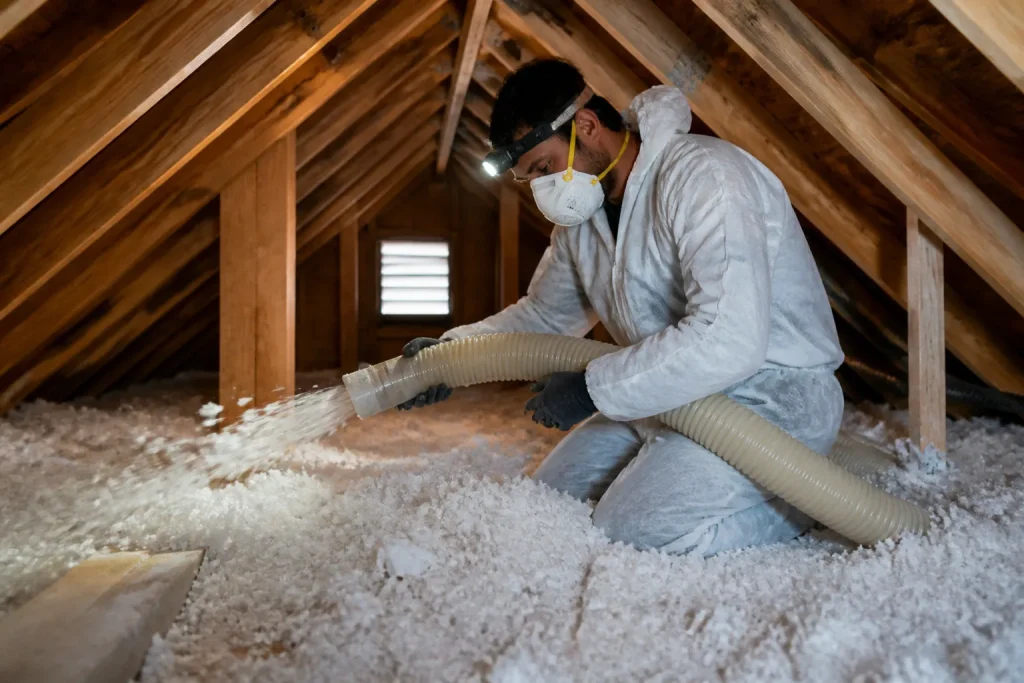
- Full-body protective gear. Respirators, coveralls, gloves. Not a bandana and a headlamp.
- Bag-and-seal removal. Contaminated insulation leaves the building in sealed bags through the most direct exit possible, not dragged through your living room.
- Surface treatment after removal. The framing and any remaining surfaces need disinfection appropriate for the material, not a quick pass with a disinfectant wipe.
- Entry point sealing before re-insulation. If the hole that let the rats in is still open when new insulation goes in, you’ve built them a nicer home with fresh bedding.
When you’re talking to a contractor about this, ask one question: “What’s your containment protocol for rodent-contaminated insulation?” A specialist can answer in one sentence. A storm-chaser will change the subject to price.
We carry Rockwool in our Compton material lineup partly because its stone wool composition doesn’t support mold growth and doesn’t offer rodents the same nesting comfort as loose fiberglass. The material matches the problem, which is the whole point of carrying eight brands instead of one.
How to Evaluate a Contractor Who Answers an Emergency Call
There’s a difference between a specialist who responds to an emergency and a company built around emergency response. The first tells you what’s actually wrong. The second tells you what you want to hear before they’ve even looked.
Here’s what a legitimate insulation contractor asks before quoting anything in Compton:
- “When did you first notice the issue?”
- “Is there any sign of a current roof leak, or does everything appear dry?”
- “Have you seen any mold or rodent activity?”
- “Which rooms below the attic feel the worst?”
- “Can you walk me through what you’re seeing up there?”
And here’s what a storm-chaser asks:
- “What’s your insurance deductible?”
- “Want us to come out right now? We have a crew in your area tomorrow.”
- “We can get you a better number if you sign today.”
The contractor who asks no diagnostic questions and leads with speed is planning to swap your old problem for a new one. The contractor who wants to see the attic, understand the moisture history, and verify what’s actually failing before recommending a material is solving for the next decade, not the next invoice.
We work with materials from Johns Manville, Knauf, Rockwool, and CertainTeed among our full lineup, and the reason we stock different brands is that a Compton home with a flat roof and vented attic needs different insulation than a mid-century rancher with an unvented cathedral ceiling. The job dictates the product, not the truck inventory.
Related Services in Compton
If your attic needs attention, we offer three installation methods: Attic Insulation in Compton, Spray Foam Insulation in Compton, and Blown In Insulation in Compton. Three methods, one specialist team. You can also browse the Timeless Insulation home page to see how we approach material selection.
When to call a pro: if you’ve confirmed active moisture, seen mold, or heard rodents in the attic, stop researching and start making a phone call. These situations worsen every day in Compton’s climate, and the repair bill follows the delay.
What happens when you call
- 1
A real person answersNo phone trees — you reach a local pro.
- 2
You get an upfront price rangeHonest numbers before anyone is dispatched.
- 3
A background-checked tech heads outLicensed & insured, dispatched right away.
- 4
You approve before work beginsNothing starts until you say go.
The Bottom Line
An attic insulation emergency in Compton is almost never solved by speed alone. It’s solved by proper sequence: find the source, document the damage, dry the cavity, assess for mold, remove what’s contaminated, and replace with material matched to the home’s actual conditions. Rushing any of those steps costs more later.
If you’re in Compton and need help assessing what you’ve got, Timeless Insulation offers free estimates. Call (866) 507-5394 today to schedule an inspection, and we’ll tell you honestly whether it’s an emergency or a scheduled repair.
Frequently Asked Questions
Attic insulation replacement in Compton typically runs between $1,500 and $3,800 for a standard 1,200-square-foot attic, depending on material and contamination level. If removal involves rodent or mold remediation, add containment and disposal costs that can push the total higher. Water-damaged batts with no contamination usually land at the lower end. Call (866) 507-5394 for an exact quote based on your attic’s specific condition.
No reputable contractor replaces water-damaged insulation the same day the leak is discovered, because the cavity hasn’t dried. The drying period in Compton takes three to seven days depending on ventilation and weather. Installing insulation over wet framing voids manufacturer warranties and creates mold conditions within weeks. Call (866) 507-5394 and we’ll tell you what can be done immediately versus what needs to wait.
If damage covers less than 15% of the attic floor, spot replacement is often the most cost-effective answer. Beyond that, matching new material to old creates uneven R-value and you’ll pay for a patchwork install that underperforms. We’ll tell you honestly which side of that line your attic falls on. Estimates are free at (866) 507-5394.
We schedule same-day assessments in Compton when scheduling allows, especially for active leaks, visible mold, or rodent contamination. The assessment tells us whether the fix is emergency or scheduled, and we’ll give you both the diagnosis and the sequence. Call (866) 507-5394 and we’ll let you know the soonest available window.
Written by the team at Timeless Insulation, serving Compton since 2012.
Need Insulation Help?
Call Timeless Insulation — licensed & insured, here with fast after-hours help in Lynwood.
(866) 507-5394