

Trusted Attic Insulation for Compton Homeowners
Attic Insulation pricing in Compton typically runs between $1,800 and $4,400 depending on the material, attic size, and whether old insulation needs removal first. Most installs take one to two days, and we can usually schedule within the same week you call. In Compton’s inland climate, where summer attic temperatures regularly climb past 140 degrees, the right insulation does more than cut energy bills – it prevents that heat from bleeding down into your living spaces every afternoon.
Nelson Ibarra runs our Compton insulation crew, and he has spent years working in attics across Los Angeles County, from East Rancho Dominguez to the coast. His team installs attic insulation only. That’s the entire job. No plumbing, no electrical side work, no divided attention. When you call (866) 507-5394, you’re talking to someone who will inspect your attic, explain what’s actually happening up there, and recommend a material that matches your house – not whatever happens to be on the truck.
Key Takeaways
- Attic insulation in Compton runs roughly $1,800 to $4,400 for a standard install, with removal adding to the total.
- We carry eight insulation brands so the recommendation is driven by your attic’s conditions, not by our inventory.
- Most Compton attic jobs get scheduled within five business days.
- Free estimates include an attic inspection and written pricing, not a phone guess.
Insulation Contractors
Insulation Contractors are specialists who install, remove, and assess thermal barriers in homes and light-commercial buildings, and in Compton, that specialization matters because older attic construction and decades of accumulated dust create installation challenges a general contractor rarely handles well. We focus exclusively on Attic Insulation – Compton, which means our team has seen hundreds of local attics and knows what works in this specific housing stock, from 1940s bungalows near downtown to 1970s ranch homes along Alameda Street.
Material Matching Over Guesswork
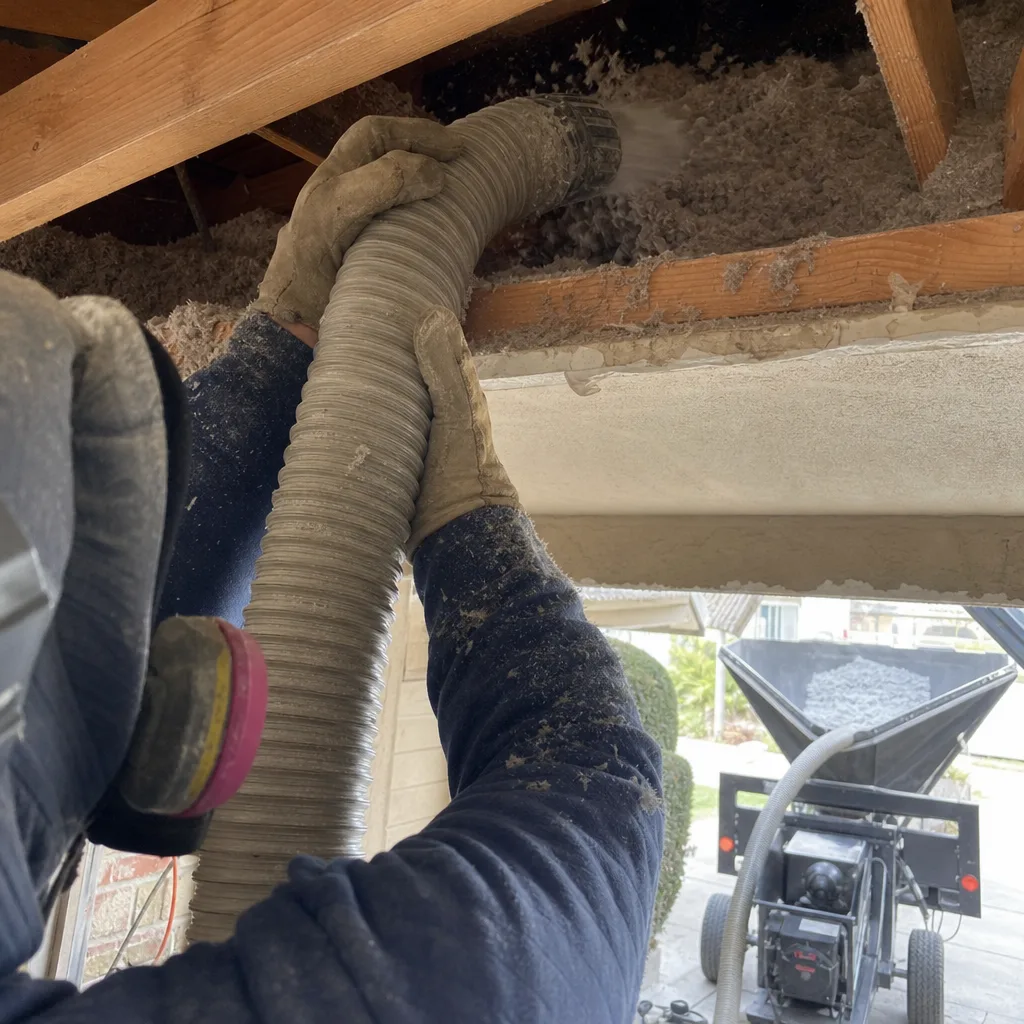
Every Compton attic has a different set of problems. Some need blown-in fiberglass to fill awkward joist bays; others benefit from dense-packed cellulose because the existing framing is uneven. We carry Knauf fiberglass, GreenFiber cellulose, and Rockwool mineral wool, so the conversation starts with your attic’s condition, not with a product we’re trying to move.
When a Specialist Makes Sense
If your energy bills have climbed year over year, or if second-floor rooms stay ten degrees warmer than the rest of the house from May through October, consult our Attic Insulation Troubleshooting: Common Problems and How to Fix Them rather than trusting a general handyman’s “add a few batts” approach. Insulation contractors measure, calculate R-value needs for Compton’s climate zone, and account for ventilation before recommending anything.
Attic Ventilation
Attic Ventilation is the system of intake and exhaust points that allows air to move through the attic space, preventing heat and moisture from getting trapped, and it works hand-in-hand with insulation to keep your Compton home’s roof deck from baking in summer and your insulation from degrading prematurely. Without proper ventilation, even the best insulation eventually absorbs moisture, loses loft, and stops performing.
Compton Heat and Your Roof Deck
Summer attic temperatures in Compton routinely exceed 140 degrees when ventilation is inadequate. That heat radiates into joists, dries out wood framing, and shortens the lifespan of asphalt shingles. We assess ridge vents, soffit vents, and gable vents during every attic inspection and flag blockages like bird nests, blown-in insulation covering soffit bays, or bathroom fans venting directly into the attic.
Balancing Intake and Exhaust
Ventilation only works when intake and exhaust are balanced. A ridge vent with no soffit vents pulls air from the living space instead. A soffit vent blocked by fiberglass batts does nothing. In Compton, where many older homes have original wood soffits and small gable vents, correcting this balance often cuts attic temperatures by 30 degrees or more before we even add insulation.
Radiant Barrier
Radiant Barrier is a reflective material, typically aluminum foil laminated to a substrate, that reduces radiant heat transfer from the roof deck into the attic, and in Compton’s climate, it’s one of the most cost-effective upgrades a homeowner can make before adding traditional insulation. Radiant barrier works differently than fiberglass or cellulose – it reflects heat rather than slowing its passage – so it’s most effective in hot climates where the primary enemy is summer sun, not winter cold.
When Radiant Barrier Earns Its Cost
A properly installed radiant barrier in a Compton attic can reduce attic temperatures by 20 to 30 degrees during peak summer, which translates directly into lower cooling loads and a longer lifespan for stored items in the attic. We install it as a stapled underside application on roof decking or as a reflective top layer over existing insulation. For homes with air conditioning and ductwork running through the attic, the payoff arrives the first summer.
Radiant Barrier Plus Insulation
Radiant barrier is not a replacement for insulation. It handles radiant heat; insulation handles conductive heat. Homes in Compton perform best with both, especially when HVAC equipment sits in the attic. We often pair a radiant barrier install with blown-in cellulose from CertainTeed or GreenFiber, which gives homeowners a two-layer defense against Southern California heat.
Attic Cleaning Services
Attic Cleaning Services include removal of debris, old rodent nesting material, dust accumulation, and loose contaminant buildup, and they’re the necessary first step before any insulation install in a Compton home that has been lived in for more than a decade, as detailed in our Attic Insulation Maintenance Checklist for Compton Homeowners. Nearly every attic we open has at least some layer of fine dust, often mixed with pest droppings or blown-in debris from decades of Santa Ana winds.
What Accumulates in a Compton Attic
Older Compton homes near residential streets with mature eucalyptus and pine trees tend to collect fine particulate matter that filters through gable vents and settles into insulation. Rodent activity leaves nesting material and droppings that technically qualify as biohazardous when disturbed. We remove the top layer of contamination before installing new material, which protects both the insulation’s performance and the air quality of the living space below.
Cleaning Before Blowing New Insulation
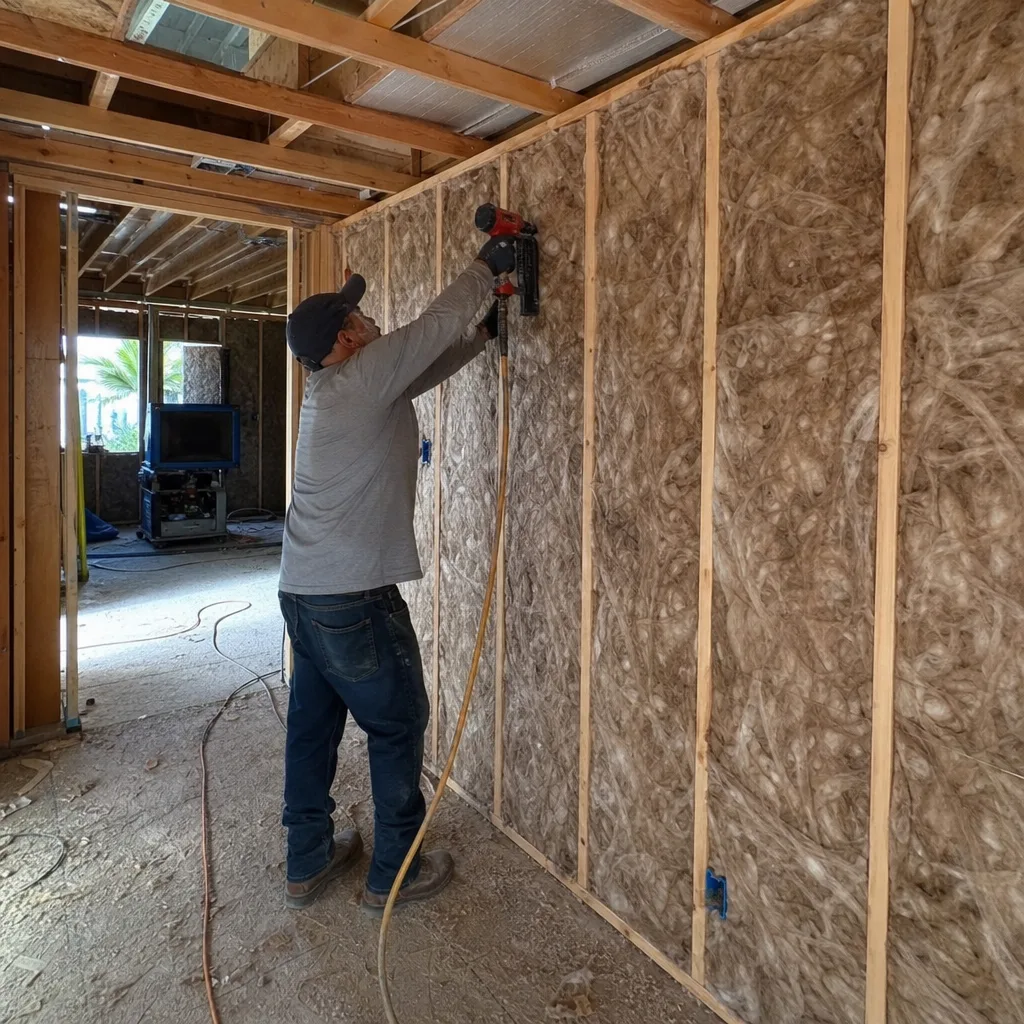
You cannot lay clean insulation over a contaminated base and call it done. The new material will sit on top of whatever is already there, and every time someone opens the attic hatch, that dust gets stirred. We inspect first, clean only what needs cleaning, and document the condition of the attic floor before adding anything on top of it.
What happens when you call
- 1
A real person answersNo phone trees — you reach a local pro.
- 2
You get an upfront price rangeHonest numbers before anyone is dispatched.
- 3
A background-checked tech heads outLicensed & insured, dispatched right away.
- 4
You approve before work beginsNothing starts until you say go.
Attic Mold Removal
Attic Mold Removal refers to the identification and physical removal of mold colonies that grow on attic framing, sheathing, and old insulation, typically due to trapped moisture from inadequate ventilation or bathroom fans discharging into the attic, and it’s a problem we encounter frequently in Compton homes built before modern venting standards. Mold in an attic does not stay in the attic; spores travel through ceiling penetrations and return air paths into the house.
Why Mold Grows in Compton Attics
Compton’s coastal-influenced humidity combined with warm attic temperatures creates condensation on the underside of roof sheathing when warm interior air leaks upward. Add a bathroom fan that vents into the attic instead of through the roof, and you have a mold incubator. We trace the moisture source first: is it a leak, a venting problem, or poor air sealing? Removing mold without fixing the moisture source guarantees it returns.
The Removal Standard We Follow
When mold has infiltrated insulation, the insulation must come out. We remove contaminated material, treat the wood surfaces, and advise on the ventilation corrections needed before new insulation goes in. If the affected area exceeds what containment and surface treatment can address safely, we’ll tell you honestly and recommend the appropriate next step rather than promising a result we can’t deliver.

Attic Insulation Removal
Attic Insulation Removal is the full extraction of existing insulation material, usually required when contamination, water damage, or outdated material makes it necessary to start over, and it’s more common in Compton than most homeowners expect given the age of the housing stock here. Old fiberglass batts with heavy dust loading, cellulose that has compacted to half its original R-value, or material soaked by a past roof leak all need to come out before anything new can go in.
Why Full Removal Sometimes Beats Adding On
Adding new insulation on top of old defeats the purpose when the old material is contaminated or compacted. In Compton attics where blown-in fiberglass from the 1970s has settled to R-19 instead of its original R-30, layering more on top won’t recover the lost performance and traps whatever is underneath. Full removal gives a clean substrate, lets us inspect the attic floor for wiring issues, and ensures the new material performs at its rated value from day one.
The Tools and Method
We use commercial vacuum extraction equipment with HEPA filtration, not push brooms and garbage bags. The difference matters: a proper extraction removes fine particulates instead of pushing them into the living space through ceiling gaps. Most Compton removal jobs finish in one day, with the new insulation installed the following morning.
Brands We Service
We install and service insulation from eight manufacturers, and that breadth exists for one reason: no single brand is right for every Compton attic. Knauf produces a dense batt fiberglass that holds its shape well in tight joist bays and odd framing angles common in older Southern California homes. Rockwool stone wool is the material we recommend when fire resistance or sound dampening matters more than raw R-value per dollar, and it handles moisture better than any fiberglass product on the market.
CertainTeed supplies both fiberglass batts and blown-in products, and we use their blown-in fiberglass when homeowners want a proven, cost-effective fill for irregular attic floors. Icynene products handle low-pressure spray foam applications, particularly closed-cell foam for attics where air sealing and moisture control are the priority. We also install Johns Manville, Owens Corning, Demilec, and GreenFiber. Whether you have Icynene or any other make, we can assess it and recommend a replacement or upgrade that fits the specific conditions in your attic.
Signs You Need a Pro Right Now
- Upstairs rooms run 10+ degrees hotter than the rest of the house. This is the most common complaint we hear in Compton. It means hot attic air is overpowering whatever insulation currently exists, and the cooling system is fighting a losing battle every afternoon.
- Energy bills have climbed year over year. A rising summer electric bill with no change in household habits usually points to insulation that has settled, compressed, or been displaced. R-value degrades over time, especially in attics that have seen roof work or pest activity.
- You can see the tops of the ceiling joists. If joists are visible through the existing insulation, the material is below the recommended depth for Compton’s climate zone. This is an easy visual check that takes thirty seconds with a flashlight from the attic hatch.
- Attic access hatch feels warm to the touch on summer afternoons. A warm hatch means heat is conducting straight through the ceiling. This indicates both inadequate insulation over the hatch itself and a general lack of coverage at the attic floor level.
- You’ve seen rodent droppings or nesting material in the attic. Rodents compress insulation, tear through batts, and leave waste that degrades air quality. Once activity is confirmed, the insulation usually needs replacement rather than spot repair.
Our Process, Step by Step
- 1
Inspection and measurement. Nelson or one of our technicians walks the attic, measures the existing insulation depth, checks ventilation points, and looks for moisture, mold, or pest evidence. We also check the attic access and any recessed light fixtures that may need clearance. This takes about an hour and produces the information behind everything we recommend.
- 2
Written estimate with material options. You get a line-item quote covering removal (if needed), ventilation corrections, the insulation itself, and radiant barrier if it makes sense for your roof orientation and duct placement. We price multiple materials when the attic supports more than one good choice, so you’re comparing real options rather than taking the only answer.
- 3
Prep and containment. On install day, we protect the work path with drop cloths, seal off the attic hatch area, and set up negative-pressure containment if removal is involved so attic dust doesn’t drift into the house. This is the step contractors skip when they’re rushing.
- 4
Installation and depth verification. We install to the R-value specified in the estimate and verify depth with gauge markers placed throughout the attic, not just near the hatch where it’s easy to make things look full. Any ventilation or radiant barrier work happens before the insulation goes in so nothing gets buried by accident.
- 5
Final walkthrough and documentation. We show you photos of the finished attic, confirm the installed depth at multiple points, and review what was done and why. You get a written record of the material used, the R-value installed, and the warranty terms from the manufacturer – not a verbal promise.
How Much Does Attic Insulation Cost in Compton?
A straightforward attic insulation install in a typical 1,200 to 1,800 square foot Compton home runs between $1,800 and $3,200 when no removal or ventilation work is needed. Attic insulation removal adds $1,200 to $2,500 depending on attic size and material type. Radiant barrier is typically priced by square foot and lands between $1,500 and $3,000 for a full attic application in Compton. Attic cleaning services start around $700 for a standard single-story home and go up from there if contamination is heavy or the attic is difficult to access.
What pushes the price up: attic size, ceiling height and access difficulty, the condition of existing material, whether a full removal is required, and whether ventilation corrections need to be made alongside the insulation work. What keeps the price honest: knowing exactly what material is being installed and at what R-value, and getting a written measurement of installed depth after the job is complete. We include all of that in every estimate, and the estimate itself is free. Call (866) 507-5394 and we’ll schedule an inspection, measure your attic, and give you a number you can actually plan around.
Our Service Area Near Compton
We serve Compton and the surrounding communities across south Los Angeles County, including Attic Insulation in East Rancho Dominguez, Willowbrook, Lynwood, Paramount, and Gardena. Our Attic Insulation in Los Angeles work takes us as far north as Koreatown and as far south as Long Beach. Most Compton appointments are scheduled within three to five business days, and we can often accommodate same-week installs for smaller attics. Our home base keeps us close enough to reach any Compton neighborhood quickly – from Richland Farms to the homes along Wilmington Avenue.
Serving Compton, CA — Our Local Coverage Area
We’re based in the Compton area and know this community well. Use the map below to see our service coverage — if you’re nearby, we can almost certainly help.
Frequently Asked Questions About Attic Insulation in Compton
Attic insulation is the thermal barrier installed on the attic floor or roofline that slows heat transfer between your living space and the outside. In Compton’s climate, its primary job is keeping summer heat out of the house and reducing the burden on your air conditioner. The right material and depth depend on your attic’s framing, existing ventilation, and whether your HVAC equipment sits in the attic.
A standard Compton attic insulation install takes one to two days, including prep and cleanup. If removal of old material is required, add one additional day. Most homeowners are back to normal routine by the second evening, and the attic is usable immediately since insulation sits on the floor and doesn’t require curing time.
Expect to pay between $1,800 and $3,200 for a typical install in Compton, with removal and ventilation work adding to the total. Variables include attic size, material choice, and whether the existing insulation needs to come out. Call (866) 507-5394 for a free written estimate that includes measured depth verification.
Yes, we install Rockwool stone wool for Compton homeowners who want its fire resistance, sound dampening, and moisture resilience. It’s a specialty product we stock specifically because standard fiberglass doesn’t fit every attic’s needs. We also carry Knauf, CertainTeed, Icynene, and four other brands so the material recommendation is driven by your attic, not our shelf.
We prioritize Compton homeowners dealing with active mold growth, roof leaks that have soaked insulation, or pest damage that’s exposed wiring. Call (866) 507-5394 and tell us what’s happening – we’ll schedule the earliest available inspection and, when the situation requires it, can often begin removal within 48 hours.
Warranty coverage comes from the material manufacturer and varies by product. Fiberglass and cellulose products from Knauf, CertainTeed, and GreenFiber carry long-term performance warranties against settling and R-value loss. We provide documentation of what was installed, at what depth, and the manufacturer warranty terms for your records.
Clear a path from the entry point to the attic hatch and remove any stored items you want to keep from the attic floor. We handle everything else: drop cloths, containment, and cleanup. If you have stored boxes or furniture in the attic, move them to a hallway or garage before we arrive so the crew can work without maneuvering around your belongings.
Schedule Your Attic Insulation Service in Compton Today
Attic insulation in Compton pays for itself in one or two summers, and the difference starts with the first heat wave. Call (866) 507-5394 to schedule a free attic inspection and written estimate. Nelson Ibarra’s team will review your options, answer your questions, and give you a straight number. Serving Compton, East Rancho Dominguez, and all of south Los Angeles County.
Written by Nelson Ibarra, Owner at Timeless Insulation, serving Compton and Los Angeles County.